Featured
Not known Facts About Actions You Can Take Following Bank...
The Facts About Understanding Expert Financial counseling...
Not known Factual Statements About Being Cautious Against...
The Only Guide for Unexpected Costs That Reputable Providers Don't Have
Table of Contents
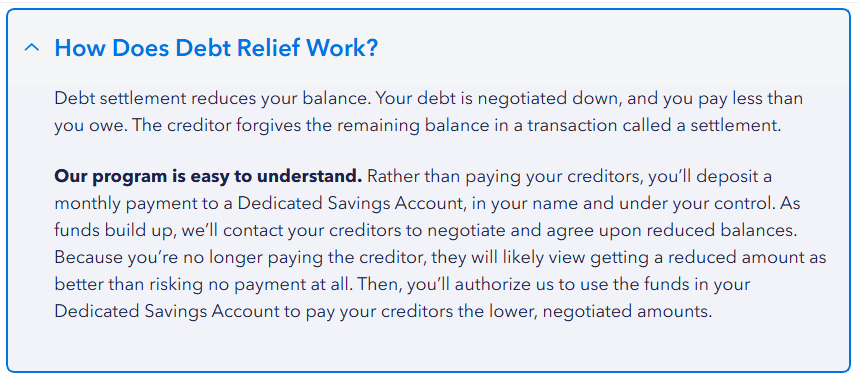
That maximizes cash in the brief term, and you may have three to four years to conserve towards the negotiation amount. Really damaging to credit report, primarily because of missed settlements and an unfavorable "resolved" mark that could remain on your debt report for as much as 7 yearsMay be just choice if various other options (debt combination, balance transfer charge card, financial obligation mercy) aren't possibleTypically requires a cost to the 3rd party, which can balance out some or all of the financial savings from debt settlementMay assist you avoid insolvency if you've missed several paymentsNot all financial institutions collaborate with financial obligation negotiation business Financial obligation mercy may be ideal for you if you are experiencing an economic difficulty that makes it nearly impossible to pay down your debt balances.
With a DMP, you make one month-to-month settlement to the credit counseling company. Those funds are then dispersed to creditors of your unsafe financial debts, such as bank card and installment loans. The firm collaborates with your creditors to lower interest prices or waive charges, but some financial institutions may refuse such concessions.
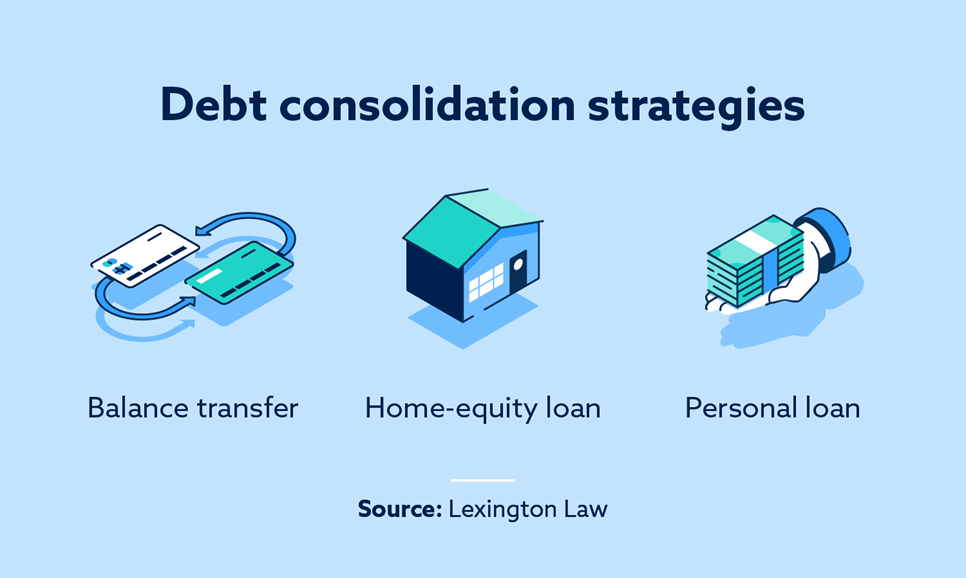
It can help you pay down financial obligation if you're able to protect a funding price that's reduced than the typical rate of the accounts you're settling. You should abstain from racking up financial debt on those recently removed accounts or your financial debt could grow also greater.

These cards usually offer a 0% rate of interest introductory period of up to 21 months. That provides you a lot of time to get rid of or substantially decrease your equilibrium while making interest-free settlements. For some individuals dealing with insurmountable financial debt, insolvency might be the only way to stop collection procedures and lawfully solve their financial debts.
Being Cautious Against Dishonest Operators - Truths
You might require it if your lender or a collection company ever attempts to collect on the financial obligation in the future. The letter might confirm you do not owe what the debt collection agency's records show. Yes, in many instances, the internal revenue service thinks about forgiven financial obligation as gross income. When a lender forgives $600 or more, they are called for to send you Kind 1099-C.
Financial obligation mercy or negotiation often injures your credit rating. Anytime you clear up a financial debt for much less than you owe, it might appear as "resolved" on your credit report and affect your credit report for 7 years from the date of negotiation. Your credit scores can additionally go down substantially in the months bring about the mercy if you fall behind on payments.
5 Easy Facts About Starting Meeting with APFSC Explained
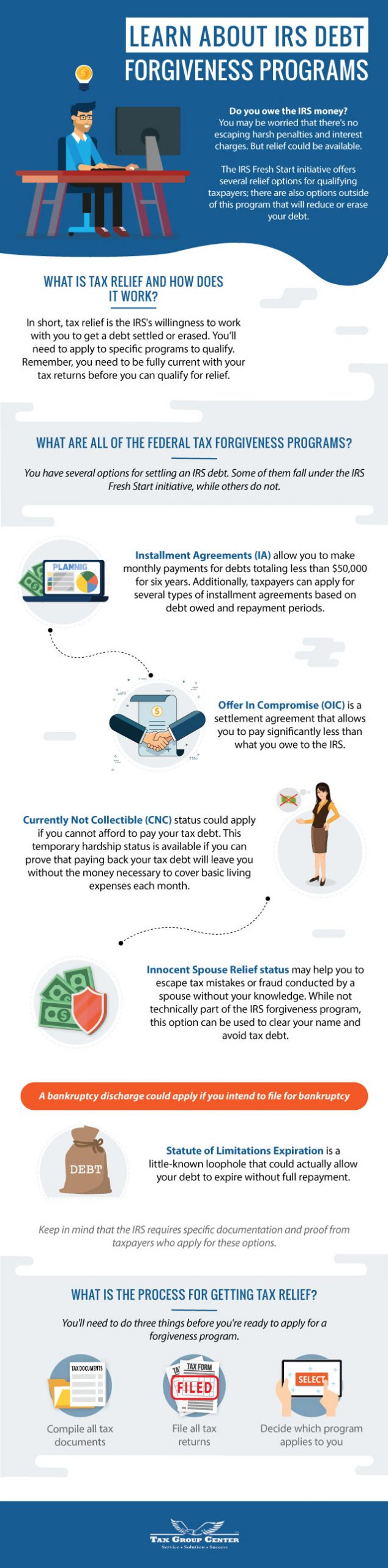
Tax obligation debt concession programs Tax financial obligation occurs when the amount of taxes you owe exceeds what you have paid. This circumstance frequently results from underreporting income, not filing returns on schedule, or inconsistencies located during an IRS audit. The repercussions of building up tax financial debt are serious and can include tax obligation liens, which offer the internal revenue service a legal claim to your residential property as security for the debt.
Greater passion rates on readily available credit history. Earnings and Bank Accounts IRS can impose (seize) earnings and financial institution accounts to please the financial debt. Minimized income and disturbance of vital monetary procedures. Residential or commercial property Seizure In extreme situations, the IRS can confiscate and sell building to cover the debt. Loss of important assets and prospective displacement.
Social Stigma Encountering legal activity from the Internal revenue service can carry social preconception. Work Opportunities A bad credit rating due to tire financial obligation can limit work opportunities. Government Benefits Tax obligation financial debt may impact qualification for federal government advantages, such as Social Security and Medicaid.
The Best Guide To Actual Testimonials from Bankruptcy Counseling Clients
The OIC thinks about numerous factors, consisting of the taxpayer's revenue, expenses, asset equity, and capacity to pay. Successfully negotiating an OIC can be complicated, requiring a complete understanding of the internal revenue service's standards and a solid argument for why your deal straightens with your capacity to pay. It is essential to note that not all applications are accepted, and the process calls for comprehensive monetary disclosure.
The IRS assesses your total economic scenario, including your income, expenditures, asset equity, and capacity to pay. You must also be current with all filing and payment requirements and not be in an open bankruptcy proceeding. The IRS likewise considers your conformity background, examining whether you have a document of prompt declaring and paying taxes in previous years.
Getting The How Bankruptcy Counseling Makes a Difference To Work
The application procedure for a Deal in Compromise includes several thorough steps. Initially, you should complete and submit internal revenue service Type 656, the Deal in Concession application, and Kind 433-A (OIC), a collection info statement for individuals. These types require detailed financial info, consisting of details concerning your earnings, debts, expenditures, and properties.
Back tax obligations, which are unpaid tax obligations from previous years, can significantly enhance your overall IRS financial obligation if not resolved quickly. This debt can accumulate passion and late payment fines, making the initial quantity owed much bigger in time. Failure to pay back tax obligations can lead to the internal revenue service taking enforcement actions, such as providing a tax lien or levy versus your residential or commercial property.
It is necessary to resolve back tax obligations immediately, either by paying the sum total owed or by setting up a layaway plan with the internal revenue service. By taking aggressive actions, you can prevent the accumulation of additional interest and charges, and prevent much more aggressive collection activities by the internal revenue service.
One typical factor is the idea that the taxpayer can pay the complete amount either as a round figure or through a layaway plan. The IRS likewise considers the taxpayer's income, costs, asset equity, and future earning capacity. If these aspects show that the taxpayer can afford to pay more than the supplied quantity, the internal revenue service is most likely to deny the deal.
A Biased View of Real Experiences of Debt Relief Recipients
It is important to offer accurate and total information in your application and to speak with a tax expert to improve the possibilities of acceptance. Managing IRS financial debt can be intricate and complicated. Tax specialists, such as Certified public accountants, tax obligation attorneys, or signed up agents, can supply indispensable support. They have the experience to navigate the intricacies of tax law and IRS treatments.

Table of Contents
Latest Posts
Not known Facts About How Delaying Your Debt Problems Can Cost You

Not known Facts About Actions You Can Take Following Bankruptcy
The Facts About Understanding Expert Financial counseling for veterans in North Carolina who feel trapped by credit card debt Revealed
More
Latest Posts
Not known Facts About How Delaying Your Debt Problems Can Cost You
Not known Facts About Actions You Can Take Following Bankruptcy